


Why Is a Schengen Visa Rejected? The 10 Most Common Mistakes
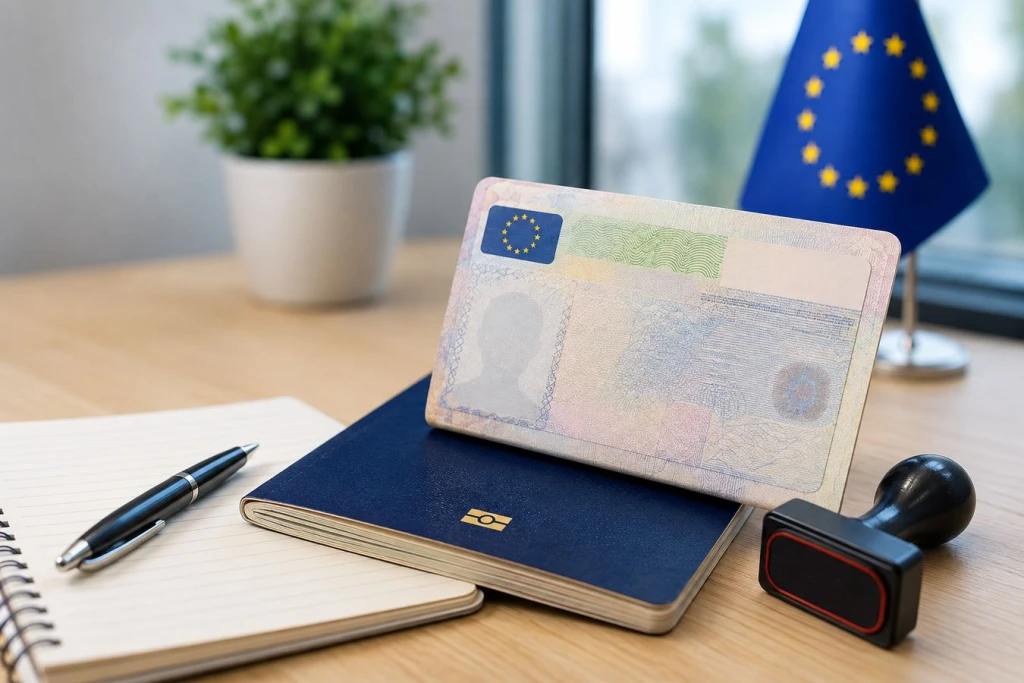
Submitting a complete set of documents for a Schengen visa application does not guarantee that your visa will be approved. Consulates evaluate applications not only based on the presence of submitted documents but also considering your purpose of travel, financial situation, ties to Turkey, and the internal consistency of your file.
So, why are Schengen visas rejected?
As Tuesway Travel, we have gathered the common problems encountered in visa applications and key points to consider before applying in this guide.
1. Insufficient Explanation of the Purpose of Travel
In Schengen visa applications, one of the most important aspects is that the reason for your travel must be clear and convincing. If you are applying for tourism, your flight tickets, accommodation bookings, travel dates, and planned itinerary must be consistent with each other. For example, if a file prepared for a 5-day trip contains hotel reservations for only 3 nights, or if the cities in your travel plan do not match your accommodation documents, it can negatively affect the evaluation of your file. The officer reviewing your application should be able to easily understand how your trip will take place upon examining the file.
2. Large Sums of Money Deposited into Bank Accounts at the Last Minute
This is one of the most common mistakes. Depositing large amounts of unexplained funds into a bank account immediately before the visa application may increase your balance, but it does not always create a positive impression. From the consulate's perspective, it is not just about how much money is in the account, but also about the source of the funds and the natural movement of the account. An account showing regular salary payments, income, and normal expenses can present a more understandable financial picture than an artificially created balance at the last minute.
3. Mismatch Between Income and Travel Expenses
There must be a reasonable relationship between the cost of your trip and your economic status. When planning a high-budget trip considering flights, hotels, local transportation, and daily expenses, failing to show sufficient income or savings to cover these costs in your file can raise questions. If someone else will cover your travel expenses, it is important to explain the sponsorship situation with proper documentation.
4. Submission of Missing or Contradictory Documents
It is not enough to simply have documents in your visa file; the documents must be consistent with each other. Having different travel dates on the application form, flight reservations, and cover letter might seem like a simple mistake, but it can affect the credibility of your file. Your profession, income, travel dates, accommodation, and sponsor information must support each other throughout the application.
5. Applying for a Visa from the Wrong Country
If you are visiting multiple Schengen countries, you cannot always submit your visa application to the country of your choice. The country where the application is made must be determined according to your travel itinerary. Generally, the main destination of the trip is taken into account; if the main destination cannot be determined, the country of entry becomes significant. Submitting an application from a country solely because it is easier to get an appointment, which does not match your travel plan, can cause problems in later stages.
6. Failure to Demonstrate Sufficient Ties to Return to Turkey
One of the important factors evaluated in Schengen applications is the conditions regarding your return to your home country after the trip. For employees, employment and leave letters; for business owners, commercial activities; for students, educational status; or the individual's economic and social conditions can play a role in the assessment. The goal here is not to unnecessarily submit dozens of documents, but to accurately and clearly present the applicant's current situation.
7. Incorrect Submission of Previous Visas and Travel History
Your previous visas and actual trips are part of your application. It is important to correctly attach old passports or previous visas when requested. Even more importantly, the past travel and visa information asked on the application form must be provided accurately. Instead of trying to present information differently than it actually was in the visa application, your actual travel history must be presented correctly.
8. Use of Standard Cover Letters That Do Not Match the Application
Using a ready-made visa cover letter found on the internet by simply changing names and dates is not the correct method for every application. Every applicant has a different work status, income structure, purpose of travel, and history. If a cover letter is required, it is better to prepare a personalized text that briefly and clearly explains the points that need to be clarified in the file, rather than a long repetitive text repeating the application.
9. Reservations Not Matching the Travel Plan
Flight and hotel reservations are fundamental parts of the application file. However, simply showing reservations is not enough. For example, if you are applying for Paris but your hotel appears to be in another country, or if your flight dates do not overlap with your accommodation dates, inconsistencies may arise in your file. If multiple countries or cities are to be visited, the route must be clearly shown, and the accommodation plan must support it.
10. Preparing Every Application with the Same File Logic
Perhaps this is the most important mistake. A friend's visa might have been approved with the same documents. However, this does not mean your application must be prepared in the same way. Files for employees, business owners, students, retirees, self-employed individuals, or those traveling with sponsorship are different from each other. Moreover, the document requirements and application procedures of the country being applied to may change.
Therefore, in Schengen visa applications, instead of a "one-size-fits-all" approach, preparation must be made according to the applicant's specific situation.
What Should Be Done to Avoid Schengen Visa Rejection?
No person or institution can guarantee that a Schengen visa will definitely be approved. The final decision on the visa lies with the competent authorities of the relevant country. However, applying to the correct country, following the updated document list, presenting your financial situation accurately, preparing a consistent travel plan, and checking for potential issues in your application file beforehand can help reduce unnecessary risks. Especially if you have previously received a rejection, it is important to evaluate the reason for the previous rejection before making a new application. Instead of submitting the same file without any changes, the reasons for the rejection must be understood.
Tuesway Travel Schengen Visa Consultancy
The most exhausting part of visa applications is often not collecting documents, but understanding why certain documents are requested and how the file should form a whole. As Tuesway Travel, we support the preparation of your file according to your purpose of travel and personal situation during the Schengen visa consultancy process. We assist our guests in processes such as determining the country of application, checking current documents, preparing the application form and cover letter, reservation planning, and pre-application file control. If you have previously received a Schengen visa rejection, you can also contact us to evaluate your rejection reason and how your new application should be prepared.
Instead of leaving your Schengen visa application to chance, start the process with a properly planned and consistent file.
Tuesway Travel – By your side in visa consultancy and travel planning.
Note: The evaluation and conclusion of visa applications are solely at the discretion of the relevant consulates and competent authorities. Visa consultancy services do not imply a guarantee of visa approval.